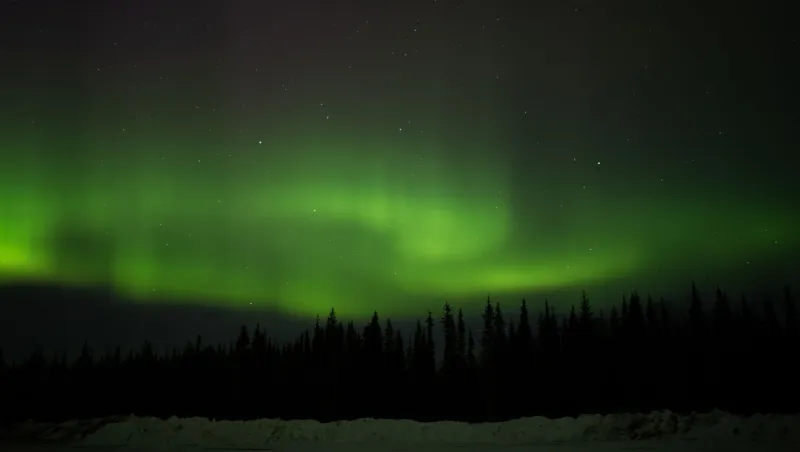
The Wilderness as Healer: How Alaska's Landscape Transforms the Therapeutic Journey
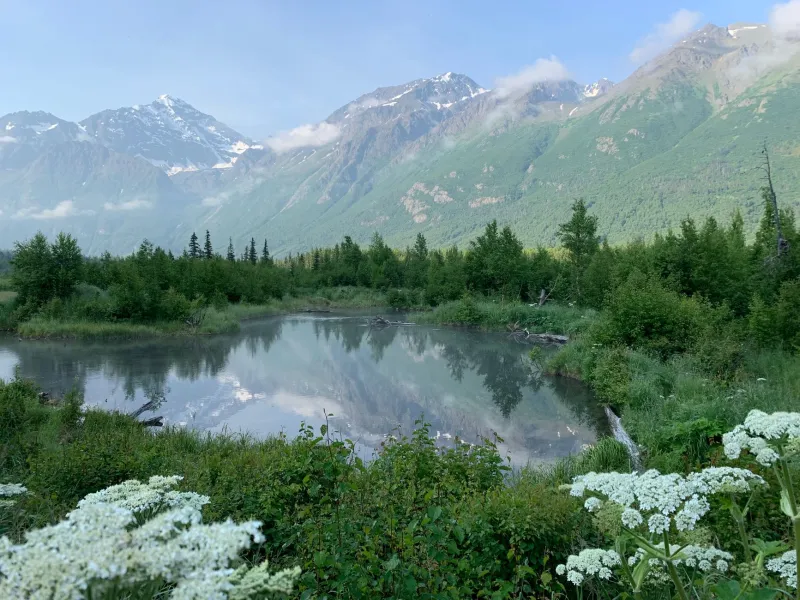
There is a moment many Alaskans describe—standing at the edge of a glacier, watching light fracture across ancient ice, or sitting quietly in a boreal forest while a river moves steadily nearby—when something inside them shifts. It is difficult to articulate. The noise of daily life recedes. The body relaxes in ways that feel involuntary. Something that had felt impossibly heavy becomes, briefly, manageable.
This experience is not mystical, though it may feel that way. It is increasingly well-documented in the scientific literature, and it forms the foundation of nature-based therapy: a therapeutic modality that intentionally incorporates natural environments into the healing process. In Alaska, where the landscape is among the most dramatic and ecologically rich on the planet, this approach takes on a dimension that is genuinely unlike anything available in the lower 48.
What Nature-Based Therapy Actually Means
Nature-based therapy is an umbrella term encompassing several distinct but related practices. Ecotherapy, wilderness therapy, adventure-based counseling, and horticultural therapy all fall under this category, each with its own theoretical framework and clinical application. What they share is the deliberate use of natural settings—rather than a traditional office—as the therapeutic container.
This is a meaningful distinction. Nature-based therapy is not simply a walk in the woods with a therapist present. It is a structured, intentional process in which the environment itself is understood as therapeutically active. The sounds, textures, rhythms, and unpredictability of natural settings engage the nervous system in ways that indoor environments cannot, often facilitating emotional access and insight that clients report feeling unable to achieve in conventional settings.
At Perspective Practice AK, we have observed this dynamic consistently. Clients who describe feeling "stuck" in office-based sessions will sometimes break through long-standing emotional barriers during a session conducted alongside a river or on a forest trail. The wilderness does not do the therapeutic work—but it creates conditions in which that work becomes more possible.
The Neuroscience of Healing Outdoors
The scientific case for nature-based therapy has strengthened considerably over the past two decades. Research in environmental psychology, neuroscience, and clinical psychiatry has collectively illuminated several mechanisms through which natural environments promote psychological wellbeing.
Attention Restoration Theory, developed by psychologists Rachel and Stephen Kaplan, proposes that natural environments restore directed attention—the kind of focused cognitive effort we sustain during work, problem-solving, and social navigation—by engaging what the Kaplans call "soft fascination." Natural settings capture our attention effortlessly, without demanding the cognitive effort that urban or screen-based environments require. This allows the prefrontal cortex to recover from fatigue, improving mood, decision-making, and emotional regulation.
Stress Recovery Theory, advanced by Roger Ulrich, offers a complementary perspective. His research demonstrated that exposure to natural environments produces measurable reductions in physiological stress markers—including cortisol levels, heart rate, and blood pressure—more rapidly than exposure to urban settings. The autonomic nervous system, it appears, has a preferential response to natural stimuli that evolved over millennia of human experience in wild environments.
More recent neuroimaging studies have shown that walking in natural settings reduces activity in the subgenual prefrontal cortex, a brain region associated with rumination—the repetitive, self-focused negative thinking that characterizes depression and anxiety. A single ninety-minute walk in a natural environment produced measurable reductions in rumination compared to a comparable walk in an urban setting. For individuals struggling with depressive or anxious thought patterns, this finding carries significant clinical weight.
Alaska's Landscape as a Distinct Therapeutic Resource
The research described above was largely conducted in parks, forests, and green spaces accessible to general populations. Alaska's wilderness represents something categorically different—in scale, in ecological complexity, and in the quality of presence it demands from those who enter it.
Glaciers move. Weather shifts without warning. Wildlife encounters are real, not managed. Tidal zones transform hourly. This dynamism is not incidental to the therapeutic value of Alaska's landscape—it is central to it. Environments that require genuine attentiveness pull clients out of their internal narratives and into immediate sensory experience. This quality, which clinicians sometimes describe as "forced present-moment awareness," mirrors the goals of mindfulness-based therapeutic interventions, but achieves them through immersion rather than instruction.
The scale of the Alaskan landscape also produces what researchers term "awe"—an emotional response to vastness or complexity that temporarily dissolves the boundaries of self-focused thinking. Studies conducted at the University of California, Berkeley found that awe experiences reliably reduce self-referential thought, increase feelings of connectedness, and enhance prosocial behavior. Standing at the base of a mountain range that dwarfs human scale tends to put personal struggles in a perspective that is both humbling and, paradoxically, relieving.
Barriers Unique to Alaska—and How They Are Addressed
It would be dishonest to discuss nature-based therapy in Alaska without acknowledging the real barriers that the state's geography creates. Rural communities may be separated from clinical providers by hundreds of miles and weather-dependent transportation. Winter conditions limit outdoor access for significant portions of the year. For some individuals—particularly those with trauma histories involving the outdoors or those managing physical health conditions—wilderness settings may initially feel threatening rather than restorative.
These barriers are real, and they require thoughtful clinical navigation. Effective nature-based therapy in Alaska is not a one-size-fits-all prescription. It begins with careful assessment of the individual's relationship to the natural environment, their physical capacity, and their therapeutic goals. For some clients, a structured wilderness immersion may be appropriate. For others, incorporating natural elements into urban or semi-rural settings—a community garden, a coastal trail, a local park—may be the more accessible and equally valid starting point.
Teletherapy has also expanded access significantly, allowing clinicians to maintain consistent therapeutic relationships with clients in remote communities even when in-person sessions are not feasible. Some practitioners have experimented with hybrid models in which clients engage with their local natural environment independently between sessions, then process those experiences with their therapist via video. The wilderness becomes part of the therapeutic conversation even when direct co-presence is not possible.
What Clients Describe: Voices from the Field
Among the Alaskans who have engaged in nature-based therapeutic work, certain themes recur with notable consistency. Many describe a quality of permission—a sense that the natural environment granted them access to emotions or memories that felt inaccessible in conventional settings. Others speak of perspective, describing how the scale and continuity of the natural world helped them contextualize personal struggles that had previously felt overwhelming.
One theme that emerges particularly often in the Alaskan context is a renewed sense of belonging—not to a social group, but to the land itself. For many who have grown up in Alaska or chosen to make their lives here, the wilderness is not a backdrop but a relationship. Therapeutic work that honors and engages that relationship can be profoundly meaningful in ways that transcend technique.
Beginning the Conversation
If you are curious about whether nature-based therapeutic approaches might be appropriate for your own healing journey, the most important first step is simply a conversation. Not every clinician is trained in or suited to outdoor-based work, and not every client is best served by it. What matters is finding a therapeutic relationship in which your whole context—including your relationship to the Alaskan landscape—is seen and valued.
At Perspective Practice AK, we believe the environment in which we live is not separate from our mental health. It shapes our nervous systems, our sense of identity, and our capacity for connection. The wilderness that surrounds us is not merely scenery. For many Alaskans, it is one of the most powerful resources available for genuine, lasting healing.