Your Nervous System Is Listening: The Science Behind Perspective and Stress Relief

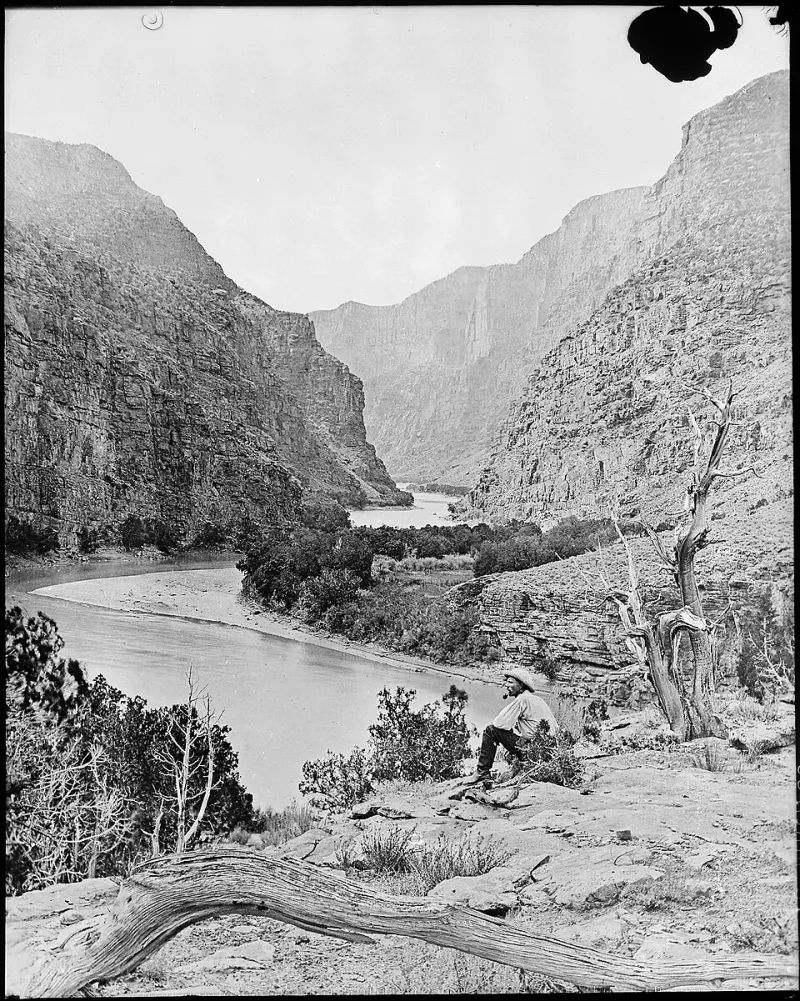
Photo: Ludolf Bakhuizen, Public domain, via Wikimedia Commons
There is a common assumption that the mind and body operate in separate lanes—that what we think stays in the realm of thought while what we feel physically belongs to biology. Modern neuroscience has largely dismantled this idea. The way we interpret events, the internal narratives we construct about our circumstances, and the perspectives we hold about ourselves and the world around us have direct, documentable effects on the autonomic nervous system. In other words, how you see something changes how your body responds to it.
This is not a motivational claim. It is neurophysiology.
What Happens in the Brain When We Feel Threatened
When the brain perceives a threat—whether that threat is a bear on a trail outside Fairbanks or a tense phone call from a family member—the amygdala initiates a cascade of stress hormones. Cortisol and adrenaline flood the bloodstream. Heart rate increases. Digestion slows. Muscles tighten. The body prepares to fight, flee, or freeze.
What is remarkable, and often underappreciated, is that this same cascade can be triggered by perceived threats—situations that feel dangerous or overwhelming even when no immediate physical danger exists. A blizzard that grounds your flight, weeks of polar darkness, or the creeping anxiety of a long Alaskan winter can all activate the body's threat-detection system with surprising intensity.
The prefrontal cortex—the region associated with reasoning, planning, and nuanced interpretation—has the capacity to modulate the amygdala's alarm response. When we engage in deliberate perspective work, we are essentially asking the prefrontal cortex to step in, reassess the situation, and signal to the rest of the nervous system that the threat level has been recalibrated.
Research in cognitive reappraisal, a well-studied form of intentional perspective shifting, consistently shows that when individuals reinterpret the meaning of a stressful situation, activity in the amygdala decreases while activity in the prefrontal cortex increases. The physiological markers of stress—elevated heart rate, shallow breathing, muscle tension—follow suit and begin to normalize.
Perspective Work Is Not Toxic Positivity
It is worth distinguishing between genuine perspective shifting and the kind of forced optimism that dismisses real hardship. Telling someone who is struggling through their third consecutive month of limited daylight to "look on the bright side" is neither helpful nor scientifically grounded. Authentic perspective work does not require denying difficulty. It requires expanding the frame through which difficulty is interpreted.
For example, a resident of a remote Alaskan community who is snowbound and isolated does not benefit from pretending the isolation is pleasant. However, they may find meaningful relief in reinterpreting the situation: recognizing the enforced stillness as an opportunity for rest they rarely allow themselves, or acknowledging the self-reliance they are demonstrating simply by managing the circumstances. These reframes do not erase the challenge. They alter the meaning assigned to it—and that altered meaning changes the nervous system's response.
Practical Techniques Grounded in Neuroscience
Somatic Anchoring Before Cognitive Reappraisal
One of the most effective sequences for perspective work begins not in the mind but in the body. Before attempting to reframe a stressful thought, it helps to first reduce the physiological activation that makes clear thinking difficult. Slow, deliberate breathing—particularly extending the exhale to twice the length of the inhale—activates the parasympathetic nervous system and creates a window in which the prefrontal cortex can engage more effectively. Once the body has begun to settle, perspective work is far more accessible.
Contextual Widening
This technique involves deliberately expanding the temporal or situational frame around a stressor. A client anxious about an unpredictable weather system delaying critical supply deliveries to their community might practice asking: What is true about this situation right now? What has been true in similar situations before? What is likely to be true in a week? This widening of context does not minimize the problem—it repositions the nervous system's response from acute alarm to manageable concern.
Third-Person Self-Talk
Research from the University of Michigan suggests that referring to oneself in the third person during moments of stress creates psychological distance that reduces emotional reactivity. Rather than "I am overwhelmed by this," a person might internally say, "[Name] is dealing with something difficult right now—what does [Name] need?" This subtle shift in perspective activates the self-regulatory regions of the brain and reduces the intensity of the stress response.
Risk Reappraisal for Outdoor Decision-Making
Alaskans who engage in backcountry travel, commercial fishing, or other outdoor pursuits are familiar with risk assessment. The same cognitive framework can be applied to emotional stressors. Asking structured questions—What is the actual probability of the worst outcome? What resources do I have available? What has my past experience taught me about managing this kind of situation?—translates the logic of outdoor risk management into an internal tool for nervous system regulation.
The Cumulative Effect: Rewiring Over Time
A single perspective shift produces a temporary physiological change. Practiced consistently, however, perspective work produces something more durable. The brain exhibits neuroplasticity—the capacity to reorganize and form new neural connections throughout life. Repeated engagement in cognitive reappraisal strengthens the neural pathways connecting the prefrontal cortex to the amygdala, making it progressively easier to access calm in the face of stress.
This is not a quick fix. It is a practice—in the truest sense of the word. Like physical conditioning or learning a skill, the benefits compound with repetition and intention.
For those living in Alaska's more isolated communities, where access to in-person mental health support may be limited, these techniques carry additional significance. They are portable, cost-free, and do not require a clinic visit to begin. They do, however, benefit from guidance, accountability, and personalized application—which is precisely what working with a trained therapist or wellness coach can provide.
A Note on Integration
At Perspective Practice AK, the name itself reflects a core clinical belief: that the angle from which we view our experience is not incidental to our well-being—it is central to it. Perspective is not merely a philosophical stance. It is a neurological event, a somatic experience, and a learnable skill.
The unique conditions of Alaskan life—its geographic remoteness, its seasonal extremes, its demands on resilience and self-sufficiency—create both the need and the opportunity for this kind of work. The challenges are real. So is the capacity to meet them differently.
If you are interested in exploring perspective-based approaches to stress management with professional support, we invite you to reach out to our team at perspectivepracticeak.com.