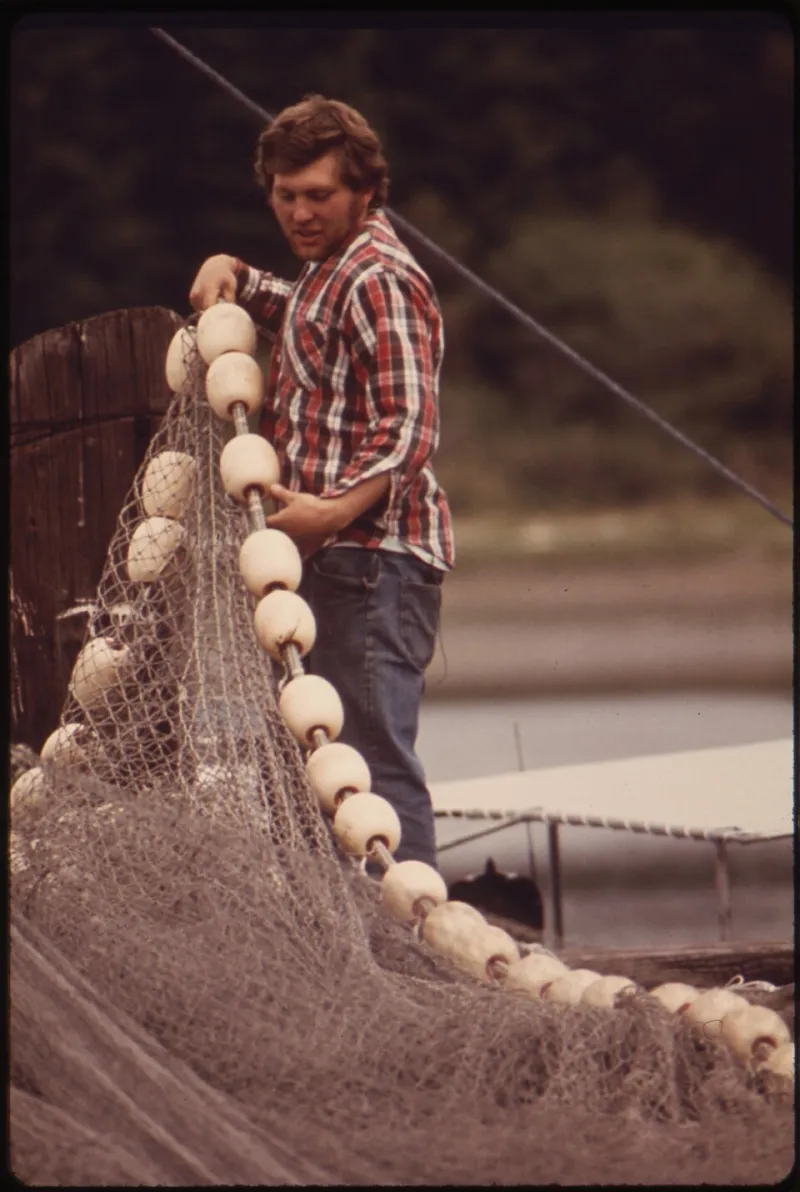
Scrolling Through Someone Else's Life: How Alaska's Remoteness Deepens the Social Media Comparison Spiral
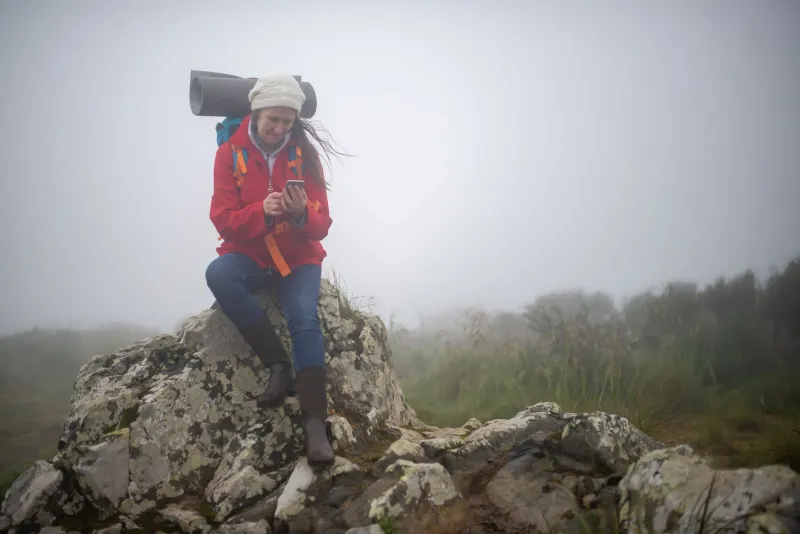
There is a particular kind of loneliness that arrives not in silence, but in the glow of a phone screen at midnight. For many Alaskans — whether living in the bush, a small river community, or a mid-sized town far from the continental United States — that loneliness has a specific texture. It is the feeling of watching the rest of the world move forward while you remain, quite literally, at the edge of it.
Alaska draws people who are seeking something: solitude, authenticity, a life stripped of superficiality. And in many respects, it delivers. But the promise of escape has a complicated relationship with modern technology. Broadband infrastructure has expanded steadily across the state, satellite internet has reached communities once entirely off the grid, and the smartphone has become as common in remote Alaskan villages as it is in downtown Anchorage. The result is a paradox that mental health professionals are increasingly attuned to: the more geographically isolated a person becomes, the more psychologically vulnerable they may be to the distortions of curated online life.
The Mechanics of Comparison in Isolated Settings
Social comparison is not a character flaw. It is a deeply human cognitive process, one that psychologists have studied for decades since Leon Festinger first articulated the theory in 1954. We evaluate our own circumstances, abilities, and social standing by measuring them against the people around us. Under ordinary conditions, those reference points are drawn from our immediate environment — colleagues, neighbors, friends we see regularly. Proximity provides a kind of natural calibration.
Geographic isolation disrupts that calibration in a significant way. When your immediate social world is small — perhaps a village of a few hundred people, or a remote homestead with limited in-person contact — the reference pool for comparison shrinks dramatically. Social media rushes in to fill that vacuum. Suddenly, the comparison pool is not your neighbor or your coworker. It is everyone, everywhere, presenting the most favorable version of their lives.
For Alaskans, this dynamic carries an additional layer of complexity. Many residents chose this life, at least in part, as a deliberate rejection of the fast-paced, achievement-oriented culture of the Lower 48. And yet the algorithm does not honor that choice. Instagram does not know you moved to a remote cabin to simplify your life. It will still serve you images of tropical vacations, urban social gatherings, professional milestones, and the kind of effortless-looking abundance that thrives in digital spaces. The contrast between the life you intentionally chose and the life being performed online can feel jarring in ways that are difficult to articulate.
Fear of Missing Out at the Literal Edge of the Map
FOMO — the fear of missing out — has been well-documented as a contributor to anxiety, diminished life satisfaction, and compulsive social media use. But the experience of FOMO in Alaska carries a geographic weight that amplifies its psychological impact. When you live in a place where attending a concert, visiting a museum, or simply meeting a friend for coffee requires a flight, the sense of exclusion is not merely emotional. It is structural.
This creates a compounding effect. A person in a densely populated city might scroll past an event they were not invited to and feel a passing sting of exclusion. An Alaskan in a remote community might scroll past that same event and feel the sting of exclusion layered on top of the reality that even if they had been invited, attendance would have been logistically impossible. The digital image of what they are missing is vivid and immediate. The physical barriers to participation are equally real. Both exist simultaneously, and the mind struggles to hold that tension without cost.
Clinically, this experience can manifest as a persistent low-grade anxiety, a nagging sense of life passing by, or a gradual erosion of satisfaction with the very choices that once felt meaningful. Some individuals begin to question their decision to live in Alaska at all, not because the life itself has changed, but because the constant visual reminder of alternative lives has shifted their internal frame of reference.
When Connectivity Becomes a Coping Mechanism
Isolation — even chosen isolation — produces a genuine need for social connection. Human beings are wired for belonging, and in remote environments that need does not diminish; it intensifies. Social media, in this context, can begin as a reasonable tool for maintaining relationships and staying engaged with the broader world. For many Alaskans, it serves exactly that purpose.
The difficulty arises when digital connectivity transitions from a supplement to genuine connection into a substitute for it. When scrolling becomes the primary means of feeling socially present, the platform's inherent distortions — the highlight reels, the performance of happiness, the algorithmic amplification of aspirational content — begin to shape one's emotional baseline in ways that are rarely constructive.
Therapists working with Alaskan clients frequently encounter this pattern: a person who is otherwise well-adjusted, purposeful, and genuinely invested in their life begins to experience a creeping dissatisfaction that they cannot quite name. When the sources of that dissatisfaction are examined, social media consumption often emerges as a contributing thread — not the sole cause, but a consistent presence that keeps the comparison engine running.
Practical Strategies for Managing the Digital-Isolation Paradox
Addressing this challenge does not require abandoning technology or pretending that the psychological pull of social comparison can be eliminated through willpower alone. It requires intentional, structured engagement with digital spaces — and an honest reckoning with what those spaces are actually delivering.
Audit your consumption with curiosity, not judgment. Spend one week noting how you feel before and after engaging with social media. The goal is not to assign blame but to gather information. If certain platforms or accounts consistently leave you feeling diminished, that data matters.
Distinguish between connection and consumption. Using social media to maintain a genuine conversation with a friend or family member is categorically different from passively scrolling through a feed of strangers' curated highlights. When possible, prioritize the former and set deliberate limits on the latter.
Ground your comparison points in your actual life. This is a practice, not a platitude. It involves actively and regularly returning your attention to the specific reasons you are where you are, the relationships you have cultivated, and the values your choices reflect. Journaling, conversations with a therapist or trusted friend, and time spent in Alaska's landscape without a device can all serve this purpose.
Consider the role of professional support. If the tension between your chosen life and your digital life is producing persistent anxiety, low mood, or a chronic sense of inadequacy, these are legitimate therapeutic concerns. A counselor familiar with the psychological textures of Alaskan life can help you untangle what is situational from what may require deeper exploration.
Reclaiming the Distance
Alaska's remoteness was never a cure for the complexity of human psychology. But it does offer something that is increasingly rare: the physical conditions necessary for genuine presence. The challenge for many residents is learning to inhabit that presence without allowing a five-inch screen to quietly dismantle it.
The comparison trap does not require a crowded city to spring. It requires only a connection and a moment of forgetting what you actually value. In a place as extraordinary as Alaska, that forgetting is worth resisting — not through disconnection, but through a more honest and deliberate relationship with the tools that connect you to the world beyond your horizon.