When the View Is Not Enough: Confronting the Limits of Landscape as Medicine in Alaska
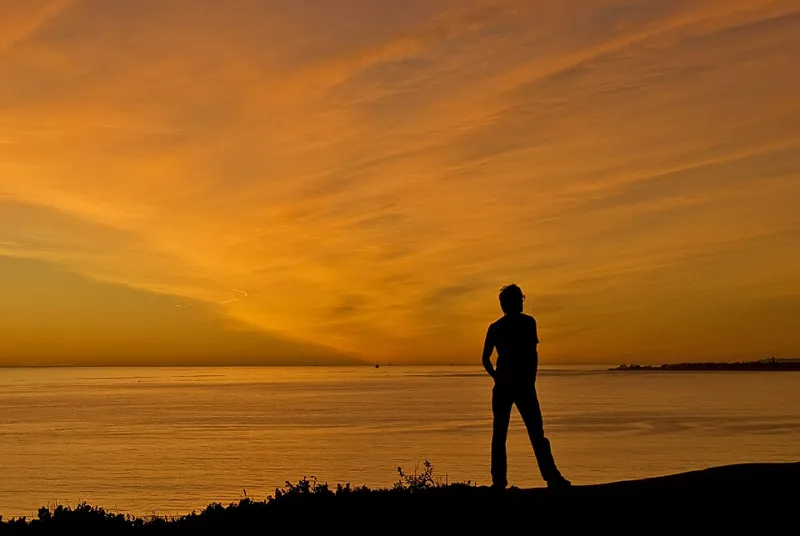
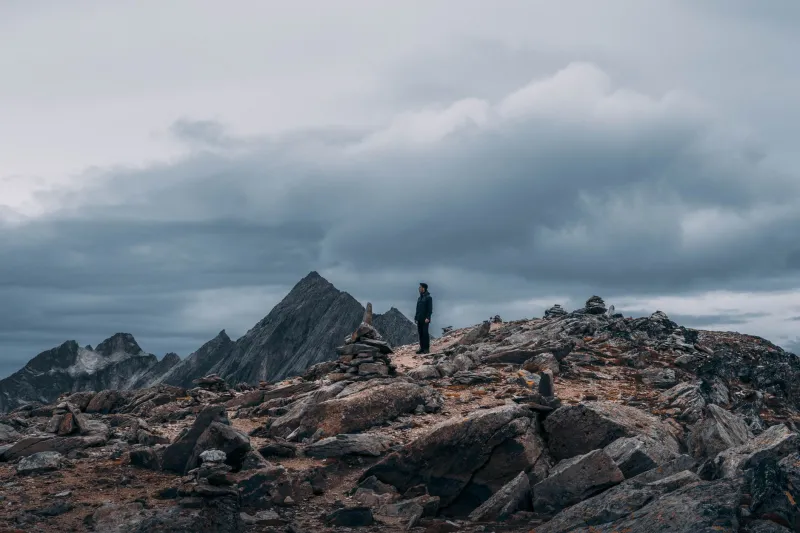
There is a particular kind of hope that arrives with a sweeping Alaskan vista. Standing at the edge of a glacial valley, watching light fracture across Denali's southern face, or listening to the silence of a boreal forest after fresh snowfall — these moments carry something that feels unmistakably restorative. For many people living in or moving to Alaska, that feeling becomes a quiet conviction: the land is healing me.
That conviction is not entirely wrong. Research consistently supports the mental health benefits of time spent in natural environments — reduced cortisol, improved mood regulation, and a measurable decrease in rumination. Alaska, with its staggering abundance of wilderness, offers those benefits in extraordinary supply. But there is a significant difference between a landscape that supports mental wellness and one that replaces professional care. In Alaska, that distinction is frequently blurred — and the consequences are worth examining honestly.
The Mythology of Natural Restoration
Alaska has long cultivated an identity built on self-reliance, resilience, and the transformative power of the frontier. These are not empty myths. The state does demand a particular kind of hardiness, and many residents genuinely develop psychological fortitude through their engagement with its demands. The problem emerges when that cultural narrative extends into mental health care — when the assumption becomes that a person who cannot find peace surrounded by such magnificence must simply not be trying hard enough.
This logic, while rarely stated aloud, operates in subtle and damaging ways. It suggests that professional counseling is a resource for people who lack the internal resources to appreciate what surrounds them. It implies that seeking therapy is somehow at odds with the Alaskan spirit. And it quietly discourages individuals from accessing care that they genuinely need.
The result is a paradox: a state of extraordinary natural beauty that also struggles with some of the highest rates of depression, substance use disorder, and suicide in the nation. The land, for all its grandeur, has not solved those problems. That is not an indictment of the landscape. It is simply a clarification of what landscapes can and cannot do.
What Scenery Cannot Reach
Mental health conditions are not primarily caused by a deficit of beauty or outdoor exposure. They are rooted in neurological patterns, relational histories, unprocessed trauma, and learned behavioral responses — none of which a mountain range is equipped to address directly.
Consider depression. Its persistence is often maintained by cognitive distortions, social withdrawal, disrupted sleep architecture, and neurochemical imbalances. A hike through the Chugach can interrupt rumination temporarily and provide genuine mood elevation. But it does not restructure the thought patterns that pull a person back into hopelessness by evening. That work requires a different kind of engagement — one that is deliberate, relational, and guided by clinical expertise.
The same applies to anxiety disorders, trauma responses, and relational difficulties. These conditions have internal logic. They respond to specific, evidence-based interventions: cognitive behavioral therapy, EMDR, dialectical behavior therapy, somatic approaches, and others. The wilderness cannot replicate those interventions, however powerfully it may complement them.
This is not an argument against spending time outdoors. It is an argument against using the outdoors as a substitute for something it was never designed to provide.
The Delay That Costs
One of the most consequential effects of the landscape-as-healer belief is the delay it creates. When someone is struggling and believes that another season, another trail, or another sunrise will finally tip the balance toward recovery, they often wait. They wait through one winter, then another. They wait until the struggle becomes a crisis. They wait until relationships fracture, careers stall, or the weight of unaddressed pain becomes impossible to carry alone.
In a state where mental health providers are already distributed unevenly — concentrated in Anchorage and Fairbanks, sparse in rural communities — that delay compounds the difficulty of access. Telehealth has expanded options significantly, and many practitioners now serve clients across the state's vast geography. But those resources remain underutilized, in part because the cultural permission to seek them has not fully taken hold.
Delaying care is not a character flaw. It is a predictable response to a cultural environment that frames self-sufficiency as virtue and vulnerability as weakness. Understanding that framing — and choosing to move beyond it — is itself a form of psychological courage.
Reframing Therapy in the Alaskan Context
Professional counseling is not a concession to weakness. It is a deliberate, skilled engagement with the interior landscape — the one that no panoramic view can fully reach. A therapist offers something the wilderness cannot: consistent, trained presence; the capacity to reflect patterns back to you; a structured space in which the work of change can actually occur.
For Alaskans who have built their identity around self-reliance, this reframe matters. Seeking professional help is not the opposite of resilience. It is one of the most demanding expressions of it. It requires honesty about what is not working, willingness to engage with discomfort, and the discipline to show up consistently even when progress feels slow. Those qualities are entirely consistent with the Alaskan character.
Furthermore, therapy and engagement with the natural environment are not mutually exclusive. Many therapeutic approaches — ecotherapy, somatic work, and mindfulness-based practices — actively incorporate the natural world into the healing process. Alaska's landscape can serve as a genuinely powerful context for therapeutic growth, provided it is working alongside professional support rather than being asked to do that work alone.
Recognizing the Signs That More Is Needed
It is worth naming, plainly, the indicators that suggest a person has moved beyond what outdoor time and personal resilience can address alone:
- Persistent low mood or anxiety that does not lift even during periods of activity or positive experience
- Withdrawal from relationships and community, even when connection is available
- Reliance on alcohol, substances, or behavioral patterns to manage emotional discomfort
- Intrusive thoughts, flashbacks, or emotional numbness that disrupts daily functioning
- A sense that something is fundamentally wrong that cannot be resolved through effort or environment
If any of these resonate, the appropriate response is not another hike. It is a conversation with a qualified mental health professional.
The Landscape Deserves a Partner
Alaska's wilderness is extraordinary. Its capacity to inspire, to ground, and to quiet the noise of modern life is real and well-documented. This practice holds deep respect for the role that landscape plays in the lives of those who call this state home.
But the land deserves a partner in the work of healing — not a replacement. When professional care and the restorative power of the natural environment are brought together deliberately, the result is something neither could achieve independently. That combination represents what genuine, grounded healing in Alaska can look like.
If you have been waiting for the view to be enough, it may be time to consider what else is possible.