The Place You Call Home Is Also a Mental Health Resource

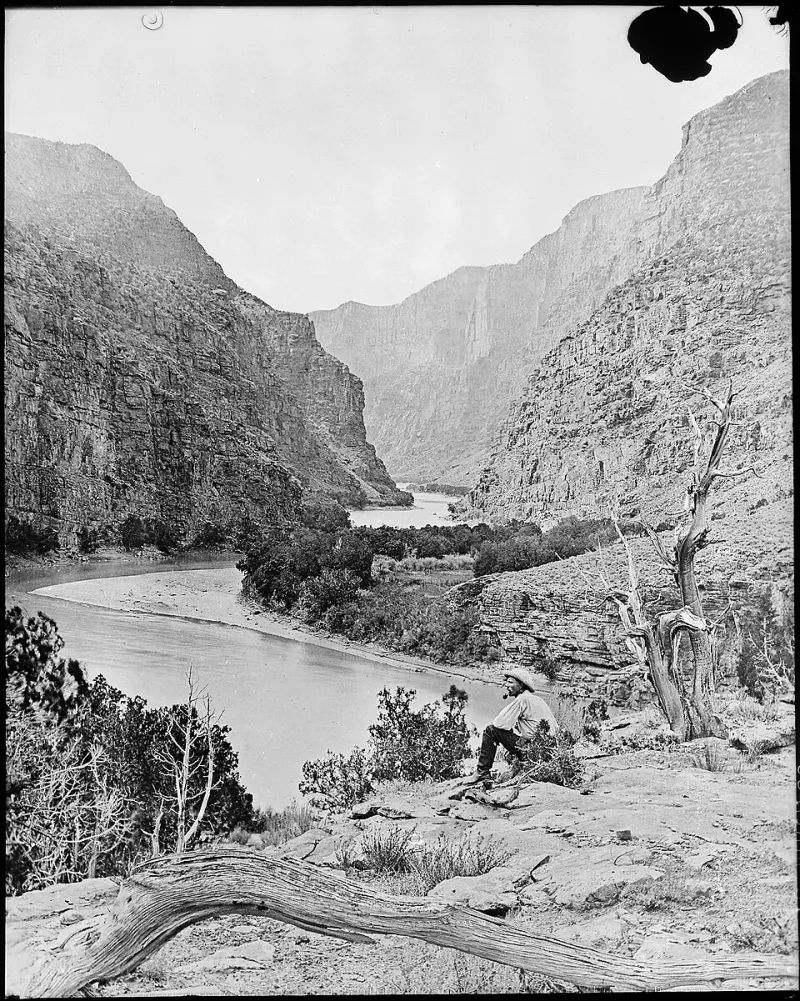
Photo: person standing in Alaska wilderness landscape mountains peaceful solitude, via www.mentalhealth.com
Ask someone who has moved frequently throughout their life what they miss most about a particular place, and the answer is rarely abstract. It is specific. The way the light fell across a particular hillside in late afternoon. The sound of a river that ran behind a childhood home. The particular quality of cold that arrived in October in a town they no longer live in. These details are not mere nostalgia. They are evidence of something psychologically substantive: the bond between a person and the places that have shaped them.
At Perspective Practice AK, we work from a whole-person framework—one that considers not just the interior life of the individual, but the broader contexts in which that life unfolds. Geography is one of those contexts. And for many of our clients, particularly those navigating major life transitions or managing chronic stress, the relationship to place has emerged as an underexplored but genuinely powerful resource for emotional stability.
What Psychology Tells Us About Place Attachment
Place attachment is a concept developed within environmental psychology to describe the emotional bonds that individuals form with specific locations. Researchers Leila Scannell and Robert Gifford have described it as operating along three dimensions: the person, the place, and the psychological process connecting them. What their work and subsequent studies have consistently found is that strong place attachment correlates with higher levels of well-being, greater sense of identity coherence, and improved ability to cope with stress.
This is not a romantic notion. It is a measurable psychological phenomenon. When people feel rooted—when they have a felt sense of belonging to a place—they tend to experience lower baseline anxiety, stronger social ties, and a more stable sense of self. Conversely, displacement, forced relocation, or the experience of living somewhere that feels fundamentally alien can contribute to chronic stress, identity disruption, and emotional fragmentation.
For those living in Alaska, where the landscape is not incidental but overwhelming in its presence, this dynamic takes on particular significance.
Alaska as a Context for Grounding
Living in Alaska is not a passive experience. The environment here participates actively in daily life in ways that are uncommon elsewhere in the United States. The seasons are extreme. The wilderness is proximate. The darkness of winter and the relentless light of summer are not background features—they are conditions that shape mood, routine, energy, and perception.
For some people, this intensity is disorienting, particularly during periods of transition or adjustment. For others, it becomes a source of profound psychological grounding. The difference often lies in whether a person has developed a conscious, intentional relationship with their environment—or whether they are simply enduring it.
Clients who have cultivated genuine attentiveness to Alaska's natural rhythms frequently describe a kind of orientation that is difficult to access through other means. The return of migratory birds in spring. The particular stillness of a winter morning after fresh snowfall. The way the aurora can, without warning, shift the entire emotional register of an evening. These experiences, when received with presence rather than distraction, can function as anchoring moments—brief but meaningful interruptions to the noise of daily stress.
The Neighborhood as Landscape
It is important to note that place attachment does not require wilderness. For those living in Anchorage or other more urban Alaskan communities—or for readers elsewhere in the country—the relevant landscape may be considerably more domestic. A familiar street. A local park. A coffee shop where the staff knows your order. A community garden. A particular view from a window.
The psychological benefits of place attachment are not reserved for those who have access to dramatic natural environments. What matters is the quality of attention brought to a place, and the intentionality with which a person chooses to belong to it.
Research on urban environments has found that even small increases in green space, access to natural light, and walkable neighborhoods are associated with measurable improvements in mental health outcomes. The key variable is not grandeur—it is engagement.
Practical Ways to Deepen Your Connection to Where You Live
If the concept of place attachment resonates but feels distant from your current experience, the following practices offer concrete entry points.
Develop a regular route. Walking the same path repeatedly—whether through a neighborhood, a park, or a natural area—builds a kind of intimate familiarity with a place. You begin to notice what changes and what remains constant. That noticing is itself a form of grounding.
Engage with local seasonal rhythms. Rather than treating seasonal transitions as inconveniences to be managed, approach them as information. What does early spring feel like in your specific location? What does the shift into autumn ask of you? Developing a personal vocabulary for seasonal change connects you to your environment in a way that transcends the generic.
Participate in your community's life. Place attachment is strengthened not just by physical presence but by social belonging. Attending local events, supporting neighborhood businesses, or volunteering within your community deepens the sense that you are part of a place—not merely occupying it.
Create deliberate rituals tied to location. A morning coffee on a particular porch. A weekly walk to a specific viewpoint. A seasonal tradition connected to your region's natural calendar. These rituals serve as psychological anchors, linking your sense of self to something stable and recurring outside of your own internal weather.
Bring your relationship to place into therapeutic conversation. If you are currently working with a therapist or counselor, exploring your history with place—including places you have lost, left, or longed for—can yield meaningful insight into your emotional life and your sense of identity.
Stability Found in the Particular
One of the quieter insights that emerges from work in environmental psychology is that the antidote to feeling unmoored is often not grand or abstract. It is specific. It is the particular hill you climb on difficult evenings. The particular river that runs through your town. The particular quality of light that tells you, without words, that you are somewhere you know.
In a cultural moment that prizes mobility, optionality, and the freedom to be anywhere, there is something quietly countercultural about choosing to belong to a place—to know it, attend to it, and allow it to know you in return.
That belonging is not a limitation. It is, for many people, one of the most reliable foundations for a stable and well-resourced inner life. Wherever you are—in Alaska or elsewhere—the place you call home is already offering you more than you may have thought to receive.