Standing Alone in a Crowd: How the Myth of Alaskan Self-Sufficiency Undermines Your Path to Healing
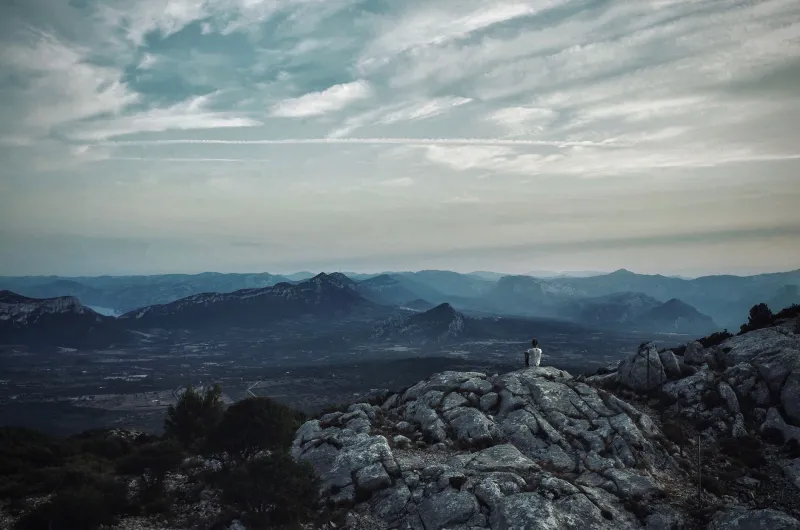
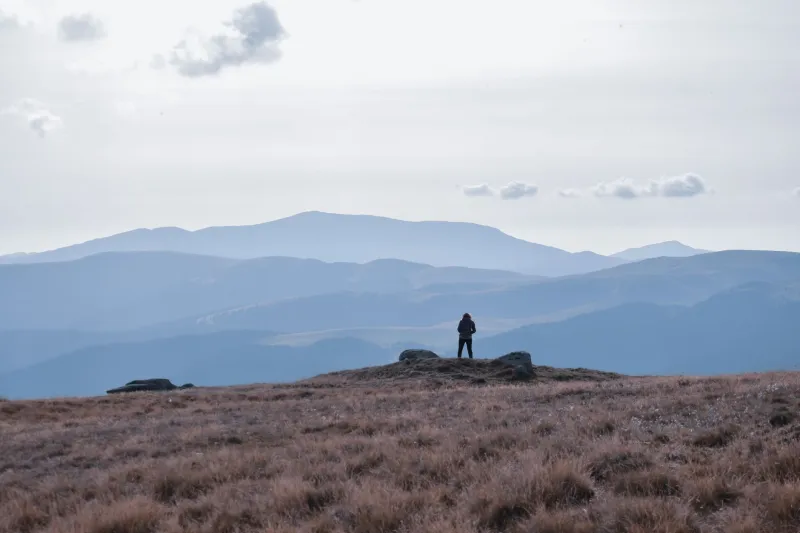
There is a particular kind of pride that comes with living in Alaska. It is earned, often slowly, through frozen mornings, broken-down snowmachines, and the quiet satisfaction of figuring things out without anyone's help. The state rewards competence. It punishes hesitation. And over time, the people who stay tend to absorb a foundational belief: that needing others is a form of weakness.
This belief is not entirely without merit. There are real, practical reasons why Alaskans develop formidable self-reliance. Distances are vast. Resources are limited. Weather does not negotiate. In many situations, knowing how to handle adversity independently is not merely admirable — it is genuinely necessary.
But mental health is not a broken generator. And applying the logic of frontier self-sufficiency to emotional pain is one of the quieter ways that Alaskans — transplants and lifelong residents alike — sabotage their own healing.
The Cultural Script That Runs in the Background
Culture operates like background software. Most of the time, you are not consciously aware of it running. Yet it shapes every decision you make, including the decision of whether to reach out for help.
In Alaska, the cultural script around hardship tends to sound something like this: You chose this place. You knew what it demanded. Handle it. That script is reinforced constantly — in casual conversation, in the stories people tell about themselves, in the way struggle is often framed as a badge of identity rather than something worth addressing.
The result is that many Alaskans arrive at therapy, if they arrive at all, already carrying a secondary burden: shame. Not just about whatever difficulty brought them in, but about the fact that they needed to come in at all. They apologize for crying. They minimize their experiences. They frame their pain as a failure of personal fortitude rather than a legitimate human response to difficult circumstances.
That shame does not stay quiet in the room. It actively interferes with the therapeutic process, making it harder to be honest, harder to be vulnerable, and harder to do the slow, uncomfortable work that meaningful change requires.
The Comparison Trap and What It Costs You
One particularly destructive pattern emerges from the intersection of self-reliance culture and community visibility. In Alaska's smaller towns and tight-knit communities, people know each other's stories. And when you know your neighbor handled a brutal winter, a business failure, or a family loss without apparent difficulty, it becomes very easy to measure your own struggles against theirs.
This is the comparison trap. It tells you that because someone else endured something harder without breaking, your pain is disproportionate. It tells you that seeking professional support means you lack the constitution that real Alaskans possess. It tells you to wait until things get worse — because surely you have not yet reached the threshold that justifies help.
The psychological cost of this reasoning is significant. Research consistently shows that delayed help-seeking in mental health contexts leads to more entrenched symptoms, longer recovery timelines, and a greater likelihood of crisis. The comparison trap does not protect you from weakness. It manufactures it by keeping you isolated precisely when connection would serve you best.
Redefining Strength in a Landscape That Demands It
It is worth pausing here to ask a straightforward question: where did the idea come from that strength means handling everything alone?
Alaska's Indigenous communities offer a different answer. For thousands of years, survival in this landscape depended not on individual heroism but on intricate webs of interdependence — shared knowledge, communal resource management, and the kind of relational trust that comes from genuinely knowing and being known by others. The rugged individualist mythology is largely a more recent cultural import, one that has been layered over a much older and arguably more functional way of being.
Even setting aside that historical context, consider what it actually takes to ask for help. It requires honesty about your current state. It requires the courage to be seen as imperfect. It requires tolerating discomfort in service of a longer-term outcome. By any reasonable measure, these are acts of strength, not evidence of its absence.
Reframing interdependence as strength is not a rhetorical trick designed to make therapy feel more palatable. It is a more accurate account of how human beings actually function. We are not built for isolation. Our nervous systems co-regulate with others. Our sense of self is constructed in relationship. The idea that you should be able to navigate profound emotional pain entirely on your own is not a high standard — it is a physiological impossibility dressed up as virtue.
What This Means in Practice
If you recognize yourself in any of this, the path forward is less dramatic than it might seem. It does not require dismantling your sense of self or abandoning the values that have served you in other areas of life.
It begins, instead, with a small but consequential shift in perspective: recognizing that reaching out is not a contradiction of your resilience. It is an extension of it.
In a therapeutic context, this might mean allowing yourself to describe the full weight of something rather than softening it for the sake of appearing composed. It might mean staying in the discomfort of being understood rather than retreating into problem-solving mode the moment a session gets close to something real. It might mean noticing when the voice that says you should be handling this better appears, and choosing, deliberately, not to follow it.
For those in Alaska's rural and remote communities, practical barriers to mental health care are real and should not be minimized. Telehealth has expanded access significantly, and many providers — including those at Perspective Practice AK — work with clients across a range of geographic circumstances. The logistical obstacle is more surmountable than it once was. Often, what remains is the psychological one.
A Different Kind of Frontier
Alaska has always attracted people who are willing to do hard things. That capacity — for discomfort, for persistence, for showing up even when conditions are difficult — is exactly what meaningful therapeutic work demands.
The frontier, in this sense, is not outside you. It is the interior landscape that most people spend considerable energy avoiding. Choosing to explore it, with support, is arguably the most Alaskan thing you could do: deliberate, clear-eyed, and oriented toward something worth the effort.
Self-reliance, properly understood, includes knowing when a challenge exceeds what any single person should carry alone. Recognizing that limit is not defeat. In a place that asks as much of its people as Alaska does, it may be the most honest form of wisdom available.