Surviving the Dark Season: Evidence-Based Strategies for Maintaining Mental Clarity Through Alaska's Winter
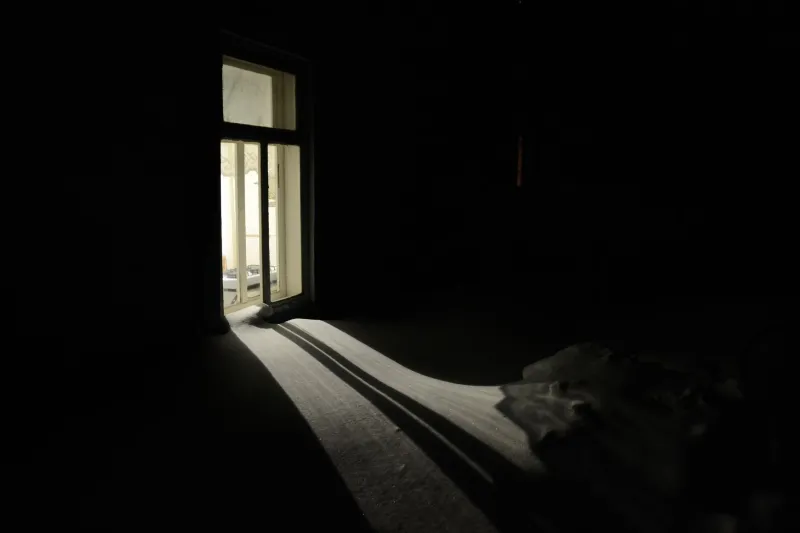
By late November in much of Alaska, daylight has become a rare visitor. In Fairbanks, residents may experience fewer than four hours of usable light per day. In Barrow—now officially known as Utqiaġvik—the sun does not rise at all for more than sixty consecutive days. For those living anywhere across the state's interior or northern regions, winter is not a season to be managed casually. It is a months-long psychological event that demands deliberate preparation.
The term "cabin fever" has a way of trivializing what is, for many Alaskans, a serious and cumulative mental health challenge. Restlessness, irritability, cognitive sluggishness, disrupted sleep, and a creeping sense of purposelessness are not personality quirks or signs of weakness. They are predictable physiological and psychological responses to reduced light, decreased physical activity, and extended social limitation. Understanding them as such—as problems with identifiable mechanisms and effective solutions—is the first and most important step toward managing them well.
Anchor Your Circadian Rhythm Deliberately
The human circadian system is exquisitely sensitive to light. When natural light cues diminish or disappear entirely, the body's internal clock can drift, leading to disrupted sleep architecture, hormonal imbalance, and mood dysregulation. For Alaskans, this is not an abstract risk; it is a seasonal constant.
Light therapy using a 10,000-lux lamp—used for approximately twenty to thirty minutes each morning upon waking—has robust clinical support as a first-line intervention for Seasonal Affective Disorder and subclinical winter mood changes. The timing matters considerably: morning light exposure helps anchor the body's melatonin and cortisol cycles, reinforcing alertness during the day and sleepiness at night.
Beyond light therapy, maintaining consistent wake and sleep times throughout the winter months provides the circadian system with the regularity it cannot obtain from the sun. This means resisting the temptation to sleep in on dark mornings or stay up late when the absence of daylight makes the hour feel ambiguous. Behavioral consistency is, in this context, a form of neurological self-care.
Build Behavioral Activation Into Your Weekly Structure
One of the most clinically validated approaches to managing depressive symptoms—including those associated with winter—is behavioral activation, a technique rooted in cognitive-behavioral therapy. The principle is straightforward: depression and low mood reduce motivation, which reduces activity, which deepens low mood. Behavioral activation interrupts this cycle by scheduling meaningful, pleasurable, or goal-directed activities in advance, before motivation is expected to arrive on its own.
For Alaskans, this means constructing a winter calendar with intention. Identify activities that have historically produced a sense of accomplishment or enjoyment—skiing, ice fishing, reading groups, creative projects, cooking elaborate meals—and schedule them with the same seriousness as professional obligations. Do not wait to feel like doing them. The evidence consistently shows that action precedes motivation, not the other way around.
Physical activity deserves particular emphasis. Exercise is among the most reliably effective interventions for mood regulation available, with effects on depression symptoms that are comparable to antidepressant medication in several research populations. Alaska's winters need not preclude movement; they simply require that outdoor activity be approached with appropriate gear and planning, or that indoor alternatives—home workouts, community fitness centers, yoga—be incorporated systematically.
Cultivate Intentional Social Connection
Isolation is perhaps the most psychologically corrosive feature of extended Alaskan winters, and it is also among the most preventable. Research on social connection consistently identifies it as one of the most powerful predictors of both physical and mental health outcomes. Yet the very conditions that make connection most necessary—cold, darkness, distance—are precisely those that make it most logistically difficult.
The solution is to treat social engagement as infrastructure rather than spontaneity. Establish recurring rituals with neighbors, friends, or community members that do not depend on anyone feeling motivated in the moment. A standing weekly dinner, a shared outdoor activity, a book club meeting, or even a regular phone call with a family member in another state—these structures sustain connection across the weeks when initiative is hardest to summon.
Alaska's communities, even small ones, often offer winter programming specifically designed to counteract isolation: community potlucks, cultural events, local theater productions, and volunteer opportunities. Engaging with these offerings is not merely a social nicety; it is a clinically meaningful act of self-preservation.
Manage Cognitive Distortions Associated With Seasonal Stress
Cognitive-behavioral therapy identifies specific patterns of thinking—sometimes called cognitive distortions—that tend to intensify under conditions of stress, fatigue, and low mood. Two are particularly common during Alaskan winters: catastrophizing ("This darkness will never end and I cannot function in it") and overgeneralization ("I always fall apart in winter; nothing I do helps").
Recognizing these thought patterns when they arise is the first step toward interrupting them. Keeping a simple daily journal—even a few sentences noting mood, activities, and any noticeable cognitive patterns—can provide useful perspective over time, revealing that low days are not as uniformly distributed as they feel in the moment, and that specific behaviors do correlate with improved mood.
Mindfulness-based practices offer a complementary approach. Rather than attempting to eliminate difficult thoughts or feelings, mindfulness cultivates the capacity to observe them without being governed by them. Even brief daily practice—ten to fifteen minutes of guided meditation or mindful breathing—has demonstrated measurable benefits for anxiety, depression, and stress reactivity in clinical populations.
Know When to Seek Professional Support
The strategies outlined here are effective for managing the ordinary psychological strain of Alaskan winters. They are not, however, substitutes for clinical care when symptoms are severe, persistent, or significantly impairing daily functioning. If low mood, sleep disturbance, appetite changes, or withdrawal from activities persist for two or more weeks despite consistent self-care efforts, consultation with a mental health professional is warranted.
At Perspective Practice AK, we offer telehealth services specifically designed to reach Alaskans in remote and rural communities. Geographic distance from an office is not a barrier to accessing evidence-based therapy or coaching support. The dark months are long, but they are also finite—and with the right strategies and support in place, they need not define the quality of your inner life.